Clock Management: How Teams Handle 2-Minute Drills
Mastering the two-minute drill separates prepared teams from panicking ones — clock tactics, simplified plays, and analytics decide outcomes.
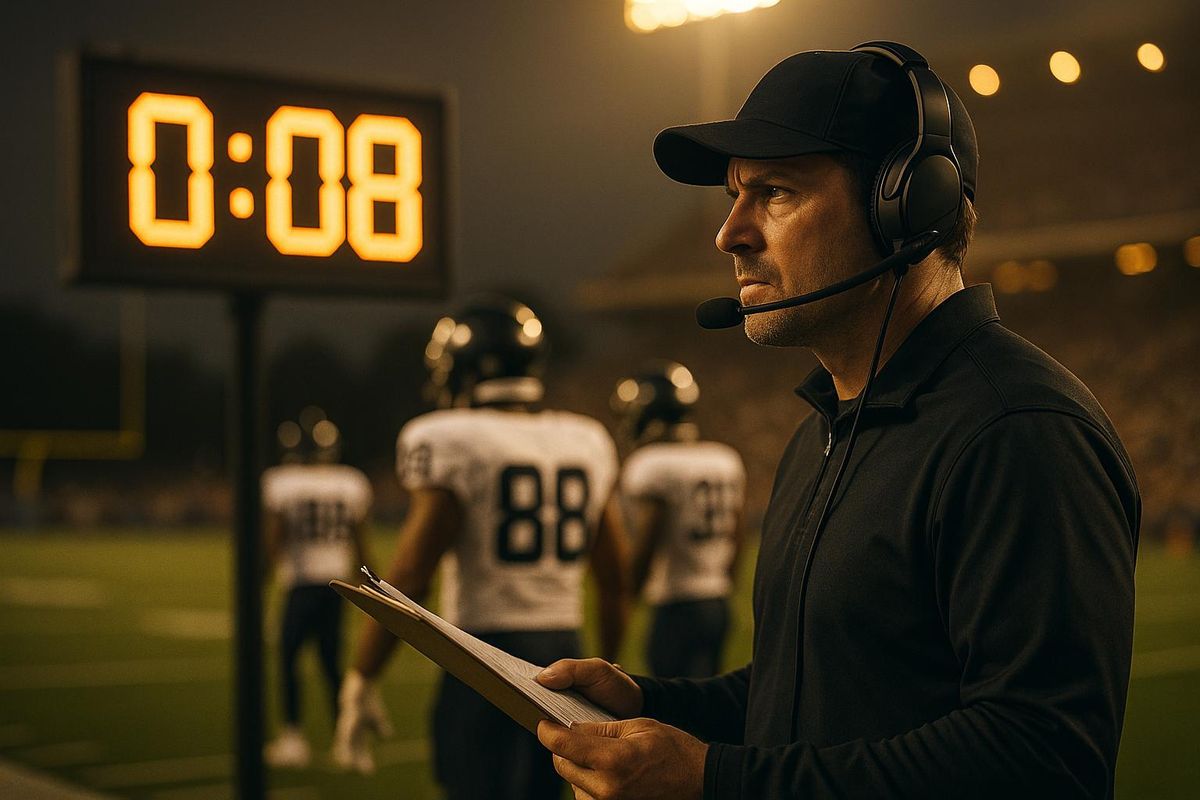
When the game clock hits 2:00, everything changes. Teams shift into a high-speed offensive strategy called the two-minute drill, designed to score quickly while managing every second. This approach is critical when trailing or needing points before halftime or the final whistle. Success here depends on fast decision-making, efficient communication, and precise execution.
Key takeaways:
- Two-minute drills are used to score quickly while limiting the opponent's response time.
- Offenses rely on streamlined playbooks, quick signals, and fast-paced execution.
- Clock management tactics include spiking the ball, targeting sideline throws, and using timeouts wisely.
- Analytics help teams refine strategies by identifying successful plays and optimizing decision-making.
The two-minute drill is a race against time, where preparation, practice, and smart play-calling decide the outcome.
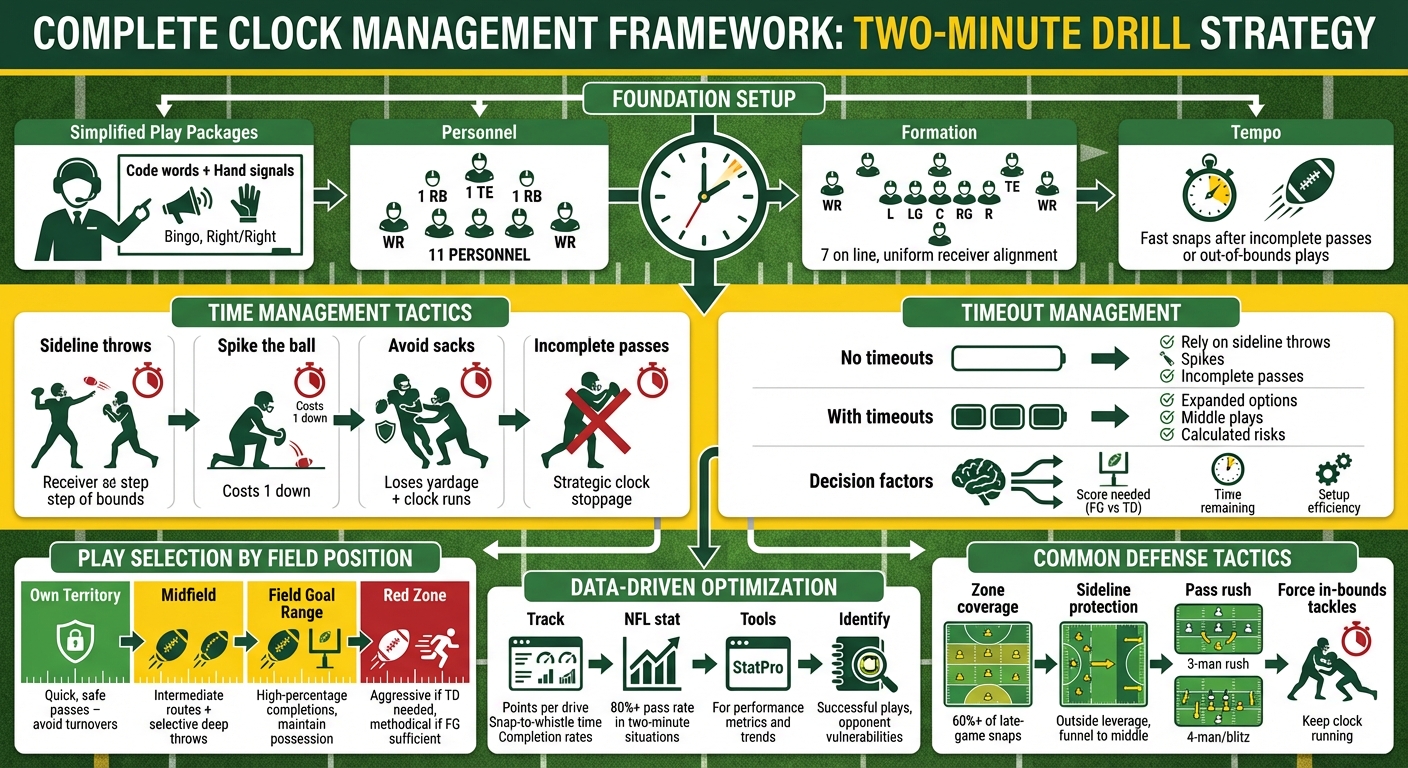
Two-Minute Drill Clock Management Strategy Framework
How Does A Two-Minute Drill Work?
Building a Two-Minute Offense
When the clock is ticking down, every decision in play design becomes a race against time. Creating an effective two-minute offense starts with simplifying the playbook. With time being the most precious resource, teams focus on a small set of reliable, high-percentage plays combined with no-huddle strategies. This streamlined approach lays the groundwork for sharp execution when it matters most.
Simplified Play Packages and Communication
Speed is the name of the game here. Coaches craft compact play packages that rely on code words and hand signals for quick communication. For instance, shorthand like "Bingo, Right/Right" can kick off a sequence of rapid plays. Quarterbacks are often given two plays at a time: if the first play results in a stopped clock - say, due to an incomplete pass or a player stepping out of bounds - the second play is immediately executed to save every possible second.
Personnel and Formations
With the playbook trimmed, choosing the right players and formations becomes critical. Most teams lean on 11 personnel - one running back, one tight end, and three wide receivers - to maximize speed and flexibility while avoiding unnecessary substitutions. Keeping receiver alignments uniform allows for quick snaps, with seven players set on the line and the quarterback ready to act fast. Speedy wideouts and agile quarterbacks are often the go-to choices for these situations, ensuring everyone can align and execute efficiently as the clock winds down.
Tempo and Rhythm
A fast tempo is non-negotiable in two-minute drills. Teams waste no time snapping the ball after an incomplete pass or when a player steps out of bounds, keeping the momentum alive. Sideline coordinators use visual aids like cards or hand signals to relay plays in real time. To prepare for these high-pressure moments, coaches simulate game scenarios during practice - spotting the ball, running the clock, and managing timeouts - to help players develop the rhythm and composure needed to perform when it counts.
Play Calling, Clock-Saving Techniques, and Timeout Management
Once the offense is in rhythm and the tempo is set, the real test begins. Coaches face the pressure of making quick decisions on play calls, managing the clock, and using timeouts effectively. These split-second choices can be the difference between a successful drive and falling short. Let’s break down how these elements come together to shape game outcomes.
Field Position and Play Selection
Field position is a key factor in shaping strategy. Before every snap, quarterbacks evaluate their location on the field, the time left on the clock, and the number of timeouts available. For plays deep in their own territory, quick, safe passes are the priority to avoid turnovers. As the offense moves toward midfield, the playbook expands to include intermediate routes and selective downfield throws, balancing a need for aggression with clock awareness.
When within field goal range, the focus shifts to maintaining possession and opting for high-percentage completions rather than risky deep passes. Inside the red zone, play calling becomes more aggressive if a touchdown is essential, while controlled, methodical plays are favored when a field goal will suffice. Each decision is tailored to the situation, ensuring the team maximizes its chances of scoring.
Clock-Saving Techniques
Managing the clock is just as important as the plays themselves, especially during high-pressure two-minute drills. Every second matters, and offenses practice specific strategies to conserve time. One common method is throwing to the sidelines, allowing receivers to step out of bounds and stop the clock instantly. Spiking the ball is another option - it costs the team a down but freezes the clock, giving the offense a moment to regroup.
Quarterbacks are trained to avoid sacks at all costs, as they not only lose yardage but also keep the clock running, often forcing the use of a timeout. In critical moments, even incomplete passes can serve as a strategic tool to halt the clock. Players drill these techniques regularly, with coaches and referees simulating game-like conditions by spotting the ball, running the clock, and creating timeout scenarios during practice.
Timeout Strategies
Timeouts are a team’s most valuable resource in two-minute drills, and using them wisely can make all the difference. When a team has no timeouts left, the offense must depend entirely on sideline throws, spikes, and incomplete passes to manage the clock. However, with even one timeout in hand, the play-calling options expand significantly. Teams can run plays up the middle or take calculated risks, knowing they can stop the clock when needed.
The decision to call a timeout is influenced by several factors: the type of score required (field goal or touchdown), the time remaining, and how efficiently the offense can set up without unnecessary delays. Coaches also adjust their approach based on the score. For instance, when a field goal can tie or win the game, the strategy leans toward conservative play calls paired with precise timeout management. These decisions demand a balance of risk and restraint, often defining the outcome of close games.
Sideline Operations and Practice Preparation
Turning effective play calling into game-day success hinges on well-organized sideline operations. When it comes to two-minute drills, everything depends on seamless coordination and relentless practice. Teams rehearse these high-pressure scenarios repeatedly, ensuring every player and coach knows their role when the clock becomes the real challenge.
Sideline Coordination and Communication
Sideline communication during two-minute drills is all about speed and accuracy. Teams rely on quick, coded signals to save precious seconds. For example, quarterbacks might shout commands like "Bingo, Bingo" followed by directions such as "Right/Right" to break the huddle quickly while the clock is running. Coaches send plays directly to the quarterback, allowing the offense to adapt without wasting timeouts.
Players also play a critical role in keeping the tempo alive. They help officials spot the ball swiftly after plays, especially following long runs when the back judge might lag behind. This teamwork between players and officials ensures the offense stays in rhythm and maintains momentum.
Simulating Two-Minute Situations in Practice
The difference between teams that thrive under pressure and those that falter often comes down to preparation. Successful programs dedicate time every week to running competitive two-minute drills. Coaches and referees replicate game conditions by managing the clock, enforcing timeouts, and creating realistic scenarios. Teams practice a variety of situations - whether it's scoring a touchdown with no timeouts left, needing only a field goal in the final two minutes, or executing plays with the clock already ticking versus starting from a huddle.
These high-pressure simulations teach players to master clock management, maintain tempo, and stay aligned under stress. Quarterbacks, in particular, focus on situational awareness - understanding whether they need a touchdown or field goal, how much time remains, and the timeout count before every snap. This preparation sharpens decision-making and sets the stage for continuous improvement.
Using Analytics to Improve Two-Minute Drills
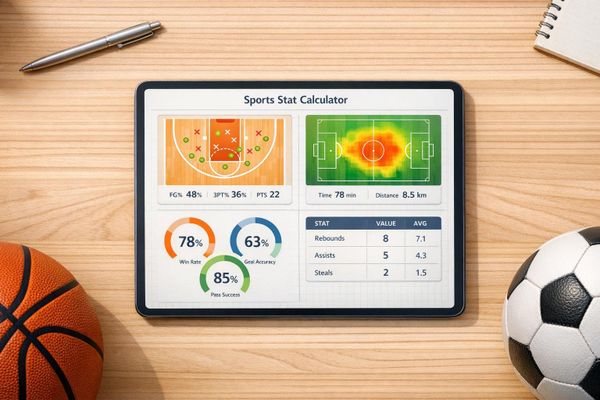
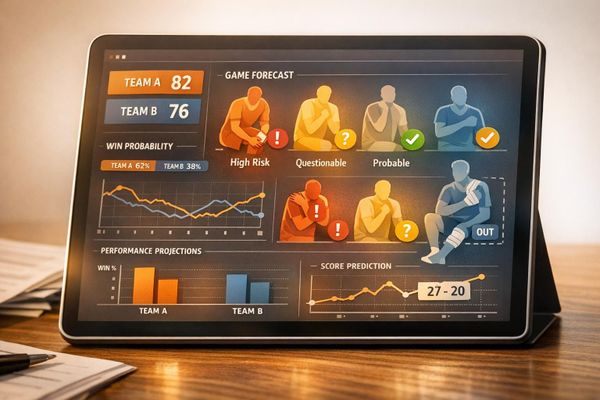
Analytics have become a game-changer in refining two-minute strategies. Tools like StatPro track detailed performance metrics, allowing coaching staffs to analyze past drills and games. These platforms highlight trends in play success rates, clock management, and decision-making under pressure. By reviewing real-time stats and player data from previous games, teams can identify which plays work best in specific situations - whether it's field position or time constraints.
This data-driven approach takes the guesswork out of practice preparation. Insights from analytics help teams refine their play packages and timing strategies, turning practice into a focused effort built on proven success rates. By integrating analytics, teams transform their two-minute drills into a finely tuned machine, ready to deliver when it matters most.
Defensive Strategies and Their Impact on Offense
Common Defensive Approaches
Defensive strategies often shift gears in critical moments, focusing on keeping plays in front of them and forcing offenses to chip away methodically down the field. A key component of this approach is sideline protection. Corners and safeties use outside leverage and roll coverage toward the boundary to discourage routes like outs, comebacks, and corners - routes that can stop the clock. At the same time, defenses funnel throws toward the middle of the field, allowing short completions but rallying quickly to tackle in-bounds and keep the clock ticking.
Another frequent tactic is the use of two-man funnel concepts. In this setup, safeties stay deep while underneath defenders employ a trail technique, making it difficult for offenses to exploit vertical threats. This forces quarterbacks to settle for contested short throws underneath.
When it comes to the pass rush, strategies vary. Some defenses opt for a three-man rush with eight players dropping into coverage, while others mix in a four-man rush or even a blitz. According to NFL Next Gen Stats, zone coverage is used on over 60% of snaps during late-game, must-pass situations. Split-safety looks also become more prevalent in these moments. This mix of coverage aims to prompt quarterbacks into making quicker decisions without leaving the secondary vulnerable. Coaches further emphasize the importance of in-bounds tackles, ensuring that short completions do not stop the clock. These defensive patterns, while effective, can become predictable, giving sharp offenses opportunities to exploit them.
Adapting Offensive Strategies to Defensive Tactics
Offenses, in turn, adjust their game plans to counter these defensive schemes. When faced with soft zone coverage and outside leverage, many coordinators turn to bunch and stack formations. These setups naturally disrupt man coverage, creating picks and rubs that free up receivers on routes like slants, posts, and deep overs - particularly targeting the middle of the field.
Modern offenses also rely heavily on data to fine-tune their responses. By analyzing coverage tendencies, pressure rates, and completion zones, teams can script the most effective late-game plays. Statistics from NFL drives indicate that pass rates exceed 80% in two-minute situations. Sacks, however, are especially damaging in these scenarios, leading offenses to focus on quick-release throws and hot routes to avoid losing yardage. With the help of analytics, teams can zero in on defensive vulnerabilities and call plays with precision when it matters most.
Conclusion
To excel in the two-minute drill, success hinges on preparation, precise execution, and smart use of analytics. Teams that consistently thrive in high-pressure moments approach these situations with a structured game plan. It all starts in practice, where coaches focus on teaching clock management, designing scripted plays with clear signals, and rehearsing various scenarios. This preparation ensures that when the clock is ticking down, teams rely on a solid foundation rather than scrambling to improvise.
On the field, disciplined tempo and strategic clock usage set great offenses apart. Simplified play packages, pre-planned two-play sequences, and clear signals streamline communication and allow for quick adjustments during critical moments. Meanwhile, coordinated efforts from the sideline - where play callers, clock managers, and position coaches work in sync - help teams make split-second decisions with confidence.
Analytics play a vital role in sharpening these strategies. By tracking metrics like points per drive, snap-to-whistle time, and completion rates, teams can identify areas for improvement. Tools like StatPro provide real-time data, helping coaches refine their approach and compare performance against league trends while pinpointing opponent vulnerabilities.
To bring it all together, create a written two-minute drill philosophy that outlines key elements like clock rules, formations, and timeout strategies. Develop a streamlined play package and practice it under realistic game conditions. Use platforms like StatPro or internal tools to track essential metrics and adjust tactics after each game. By aligning preparation, execution, and analytics, teams can master the clock and thrive under pressure.
FAQs
How do teams decide which plays to use during a two-minute drill?
When teams prepare for a two-minute drill, they carefully consider factors like field position, the remaining time, the score, and the down-and-distance situation. The priority is on fast, efficient plays - think short passes, screen plays, and the occasional run - that keep the clock in check while steadily moving the ball downfield.
Coaches design plays that allow players to make split-second decisions under pressure. These strategies often target defensive vulnerabilities, creating chances to score and either tie the game or secure a win. The key is to balance clock management with making every second of the drive count.
How does analytics improve a team's two-minute drill strategy?
Analytics is a game-changer when it comes to fine-tuning two-minute drill strategies. It provides real-time insights into how players are performing, highlights team tendencies, and reveals success rates in specific scenarios. Armed with this information, coaches can make sharper play-calling decisions, manage the clock with precision, and adapt tactics in the heat of the moment.
By diving into the data, teams can spot patterns, anticipate opponents’ next moves, and squeeze maximum efficiency out of every high-pressure second. It’s all about making those crucial moments count.
How do defenses respond to a two-minute drill offense?
When facing a two-minute drill, defenses aim to disrupt the offense's rhythm and prevent explosive plays. To achieve this, they often ramp up the pass rush, putting pressure on the quarterback to make hurried decisions. At the same time, a blend of zone and man coverage is used to make completions more challenging.
Defenses might also call timeouts strategically - not only to interrupt the offense's momentum but also to save time for their own offense. The key is maintaining discipline, avoiding costly errors, and keeping the offense from moving down the field too quickly.