How Trades Affect Team Performance in NBA
Trades can make or break NBA teams — often disrupting short-term chemistry while long-term success hinges on fit, salary balance, and efficiency metrics.
Trades in the NBA are more than just player swaps - they shape team performance, strategies, and chemistry. Here's what you need to know:
- Short-Term Impact: Trades often disrupt team chemistry. It can take weeks or months for players to adjust, especially on defense. Salary imbalances can also create tension within the roster.
- Long-Term Planning: Rebuilding teams focus on acquiring young talent and draft picks, while contenders aim to fill specific gaps for playoff success. However, too many trades can destabilize a team.
- Key Metrics: Effective field goal percentage (eFG%), assists, and turnovers are undervalued stats that often predict trade success better than points or blocks.
- Risk and Reward: Major trades involving star players can boost talent but may strain finances and team dynamics, especially if the player underperforms or leaves.
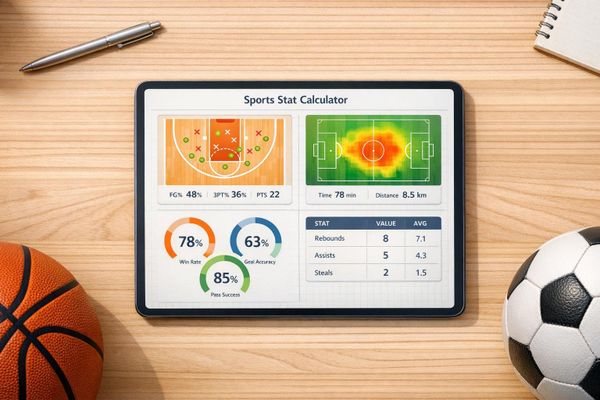
- Analytics Tools: Platforms like StatPro provide real-time stats and insights, helping teams and analysts evaluate trade outcomes more effectively.
Trades are high-stakes decisions that require balancing immediate needs with long-term goals. Success depends on aligning player skills, salary structures, and team strategies.
Grading EVERY NBA Team's Trade Deadline
Short-Term Effects of Trades
The immediate aftermath of an NBA trade often feels like a whirlwind. Teams don’t magically transform overnight - adjustments take time, sometimes stretching over weeks or months. These early effects help explain why some trades seem to pay off immediately, while others lead to unexpected challenges. This transitional period sets the stage for the longer-term adjustments and integration hurdles that follow.
Performance Changes After Trades
Looking at win-loss records right after a trade only scratches the surface. Research highlights that performance shifts vary widely, largely depending on how well the new player fits the team’s existing style and roster needs. Teams that acquire players whose skills align with their system tend to see quicker improvements. On the other hand, trades involving players with contrasting styles often lead to short-term struggles as strategies are reworked.
It usually takes weeks - or even months - for teams to find their rhythm. Coaches and players must figure out how to balance the new talent’s abilities with the team’s established strengths. This process often results in inconsistent performances, reflected in game stats, point differentials, and overall efficiency.
There’s also the financial side to consider. Trades that shift salary structures can disrupt team chemistry. Studies show that when salary gaps widen within a roster, it can negatively affect team dynamics. These financial adjustments, combined with the challenge of integrating new talent, often complicate a team’s immediate performance.
Integration Challenges for New Players
For newly acquired players, the learning curve can be steep. They’re expected to quickly adapt to unfamiliar offensive and defensive systems. Defense, in particular, demands strong communication, trust, and an intuitive understanding of teammates’ movements - elements that only come with time spent on the court together.
Sometimes, a new player’s strengths clash with the team’s existing setup, forcing coaches to rethink strategies. A great example is the Houston Rockets’ acquisition of Russell Westbrook in July 2019. The team shifted to a small-ball strategy to accommodate Westbrook’s style, but the results were mixed. His playing approach didn’t fully align with the roster, leading to inconsistent outcomes.
Another case is the Brooklyn Nets’ January 2021 trade for James Harden. Pairing Harden with Kevin Durant and Kyrie Irving created a star-studded lineup on paper, but blending their playing styles proved challenging. Limited time on the court together and differing approaches to the game made it hard for the trio to find their groove. This highlights a crucial point: star power alone doesn’t guarantee instant success if players can’t develop on-court chemistry.
Mid-season trades are especially tricky. Unlike offseason acquisitions, there’s no training camp or preseason to ease the transition. Players must contribute immediately while learning new systems and building relationships with teammates - all in the middle of competitive games.
Adding to the pressure, fan and media reactions can heavily influence team dynamics. High-profile trades are scrutinized intensely, with every game and interaction magnified under the spotlight. Players are acutely aware of public opinion, which can either fuel their motivation or create added stress that impacts performance.
Case Studies: Post-Trade Success and Failure
Real-world examples show just how unpredictable trade outcomes can be. Take the Lakers’ July 2019 trade for Anthony Davis, for instance. Davis’ arrival created a dynamic partnership with LeBron James, boosting team chemistry and defensive strength. Their complementary skills and seamless integration into the system led to an NBA championship in 2020.
But not all blockbuster trades end so well. The Brooklyn Nets’ acquisition of James Harden, despite the talent involved, struggled to deliver results. The trio of Harden, Durant, and Irving couldn’t establish the necessary chemistry, proving that assembling elite players doesn’t automatically lead to success.
Another example is the Boston Celtics’ 2017 trade of Isaiah Thomas for Kyrie Irving. While Irving brought more star power, the trade disrupted the emotional bond Thomas had with the fan base. This fallout affected team dynamics and intensified outside scrutiny, complicating the Celtics’ short-term performance. This case underscores how trades don’t just impact the court - they can reshape team culture and fan relationships, too.
Ultimately, successful trades hinge on one key factor: whether the new player’s strengths enhance the existing roster. When skill sets align and playing styles mesh, teams can see rapid improvements. But when there’s a mismatch, even the most talented additions can struggle to make an impact. These short-term effects not only influence immediate results but also shape the strategic decisions teams make moving forward.
Long-Term Effects of Trades on Team Strategy
Trades play a pivotal role in shaping a team's long-term strategy, often depending on where the team stands in its competitive cycle. Whether rebuilding or chasing a championship, teams approach trades with distinct goals in mind.
Trading for Draft Picks and Young Players
For teams in rebuilding mode - those with less than a 5% chance of making the playoffs - the focus shifts to the future. These teams often trade veteran players for draft picks and younger talent. Aging veterans, especially those with high salaries, are replaced by younger players on cost-effective contracts. This not only improves roster balance but also helps create a more cohesive payroll structure. Studies show that teams with less disparity in player salaries tend to perform better, as balanced payrolls can enhance team chemistry.
By acquiring young players with potential and manageable contracts, rebuilding teams rejuvenate their rosters while positioning themselves for long-term success. Trades during this phase are less about immediate results and more about securing assets that could pay off in the future. In contrast, playoff contenders take a more short-term approach, aiming to strengthen their rosters for immediate success.
Trades for Playoff and Championship Teams
Playoff-caliber teams, especially those with a 90% or higher chance of making the postseason, adopt a different strategy. Their trades are laser-focused on addressing specific weaknesses or adding proven talent to maximize their championship window. These teams prioritize players who can perform under playoff pressure and make an immediate impact.
For instance, the 2025 Celtics executed a trade involving a high-salary veteran, replacing him with lower-paid talent. This move not only reduced their tax liabilities but also maintained their competitive edge on the court. Such trades are designed to bolster championship prospects while keeping financial flexibility intact.
However, contending teams must tread carefully. Adding new players midseason can disrupt team chemistry. Research indicates that teams making more than five trades in a single season often experience negative effects due to roster instability. To avoid this, successful teams typically opt for fewer, well-thought-out trades that address specific needs without compromising cohesion.
Risk and Reward in Major Trades
Major trades are high-stakes decisions that can define a team's future. These moves often involve trading multiple players and draft picks for a single star, making them a gamble with significant risks and rewards. While star players may boost scoring, efficiency metrics like effective field goal percentage (eFG%), assists, and Win Shares often provide a clearer picture of their long-term value. A player with high scoring numbers but low efficiency might be overvalued, while one with strong efficiency stats may offer better returns over time.
The risks of major trades extend beyond performance. When a team trades away multiple assets for one player, it loses flexibility. If the star underperforms, suffers an injury, or leaves in free agency, the team may find itself without the resources to recover. Additionally, acquiring a high-paid player can strain team chemistry, even if the individual talent is undeniable.
Teams must also consider their competitive window. A franchise with a decade of contention ahead may approach trades differently than one with only a few years left to capitalize on its roster's peak. A poorly calculated trade can jeopardize championship opportunities and waste a player's prime years.
In the long run, success is often measured by factors like salary distribution, roster stability, and advanced performance metrics such as PER, Win Shares, and eFG%. These statistics offer a deeper understanding of individual contributions, helping teams refine their strategies and manage expectations as the outcomes of trades unfold.
Salary Structure and Roster Stability
Trades inevitably alter how salaries are distributed across a team, which can ripple through a roster, affecting chemistry and performance. These financial shifts aren’t just numbers on a spreadsheet - they have real consequences that front offices must weigh carefully when considering potential deals.
Salary Distribution and Team Performance
Take a closer look at the 2015-2016 NBA season, and one trend becomes clear: teams with more balanced salary structures tend to perform better. When the gap between the highest and lowest-paid players is smaller, teams often gel more effectively on the court. Why? Because a sense of equality fosters better chemistry and teamwork.
On the flip side, pouring most of the payroll into a few stars doesn’t always deliver the expected results. Huge pay disparities can create tension, disrupt cohesion, and leave teams struggling to function as a unit. For example, trading for a superstar might boost talent but could also throw off the delicate balance that helps a roster thrive.
That said, there are exceptions. The 2020 Los Angeles Lakers pulled off a masterstroke when they traded for Anthony Davis. Pairing Davis with LeBron James didn’t just add talent; it enhanced the team’s chemistry, ultimately leading to a championship. This shows that success hinges not just on talent acquisition but also on how well a trade aligns with a team’s existing salary structure and strategy.
Another financial pitfall for teams is overpaying for the wrong stats. Research highlights that effective field goal percentage (eFG%), assists, and turnovers are undervalued metrics, while blocks and points are often overvalued. Teams that trade for players excelling in eFG% and assists generally get more bang for their buck compared to those chasing high scorers.
Of course, the impact of salary balance isn’t one-size-fits-all. For teams with slim playoff hopes (less than 5% probability) or near-certain postseason locks (over 90% probability), the effects of pay distribution vary significantly. Rebuilding squads might benefit from trading expensive veterans for younger, cost-efficient players, compressing their salary structure and setting the stage for future success. Meanwhile, contenders need to tread carefully, balancing talent upgrades with the risk of disrupting their chemistry.
With salary dynamics covered, it’s equally important to consider how frequent roster changes can affect team performance.
Roster Turnover and Performance Outcomes
Roster turnover brings its own set of challenges. While new players can fill gaps and inject fresh energy, constant changes often disrupt the continuity teams rely on to execute complex strategies. This is especially true on defense, where trust and communication are critical.
Offensively, players tend to adapt more quickly. Learning plays and spacing is straightforward. But defensive adjustments - like rotations, help coverage, and communication - take weeks of playing together to master. Until then, performance can take a noticeable hit.
The difficulty grows when trades involve players with contrasting styles. A prime example is the Houston Rockets’ 2019 acquisition of Russell Westbrook. The move forced the team into a small-ball strategy, requiring a complete overhaul of their approach. The adjustment period brought mixed results, as players had to adapt to new roles and responsibilities.
High-profile trades come with another layer of complexity: media scrutiny. Every win, loss, or player interaction becomes headline news. When the Boston Celtics traded Isaiah Thomas for Kyrie Irving in 2017, it wasn’t just a roster shake-up - it disrupted a deep emotional bond between Thomas and the fan base. The added pressure can either motivate players or amplify stress, making it harder to build cohesion.
However, turnover isn’t always a bad thing. Teams that plan trades with a long-term vision often set themselves up for lasting success. For instance, trading star players for draft picks and young talent can be the foundation for a brighter future. The key is knowing when stability is crucial and when change is necessary. Rebuilding teams often benefit from turnover that brings in younger, more affordable players, while contenders should focus on maintaining continuity and making only targeted moves to address specific needs.
Teams near the luxury tax threshold face even more complexity. They must use trades strategically to manage payroll without sacrificing competitiveness. A trade that strengthens the roster but pushes the team deep into luxury tax territory might create financial strain, limiting flexibility for future moves.
Ultimately, the connection between roster turnover and performance depends on the team’s situation. Frequent trades reshape salary structures, disrupt chemistry, and demand tactical adjustments. The organizations that consider these factors thoughtfully when evaluating trades are the ones best positioned to reap the rewards while minimizing the costs.
Methods for Measuring Trade Impact
When evaluating how trades influence team performance, it’s essential to go beyond just comparing win–loss records. The true challenge lies in isolating the effects of a trade from all the other factors that shape a team’s performance, such as injuries, coaching strategies, and schedule strength. Let’s dive into some of the methods analysts use to tackle this complex task.
Statistical Models for Trade Analysis
One popular method for analyzing trade impact is using panel data analysis with fixed effects. This approach examines game-level data while accounting for team-specific traits that don’t change over time, like organizational culture or home-court advantage. By focusing on roster changes caused by trades, analysts can measure variations in metrics like win–loss records or scoring efficiency.
Another useful tool is salary dispersion analysis, which adjusts for game minutes to explore how payroll balance correlates with team performance. Interestingly, the effect of salary structure can differ significantly depending on a team’s situation - teams in high-stakes playoff scenarios often display unique dynamics. These statistical methods provide a foundation for understanding the isolated effects of trades, but they’re only part of the story.
Challenges in Isolating Trade Effects
Disentangling the direct impact of a trade from other variables is no easy task. For instance, injuries, coaching changes, and ongoing player development can all muddy the waters. A newly traded player might initially underperform as they adapt to new defensive schemes or team communication, raising the question: Is the dip in performance due to the trade itself or just a temporary adjustment phase?
Another complication is reverse causality - many trades are made in response to existing struggles, making it tough to determine whether the trade caused performance changes or simply reflected a team’s pre-existing issues. External factors like media attention, fan expectations, and strategic decisions to prioritize long-term goals over short-term wins add even more layers of complexity. Currently, there’s no standardized way to fully isolate trade effects from these overlapping influences. However, advanced tools are helping analysts navigate these challenges.
Using StatPro for Trade Analysis

Modern analytics platforms have become invaluable for addressing these complexities. Take StatPro, for example. This platform provides detailed, real-time data that allows analysts to track performance on a game-by-game basis, making it easier to identify performance shifts and monitor how quickly new players integrate into their teams.
One standout feature of StatPro is its real-time injury updates, which offer vital context since injuries can drastically affect a player’s contributions post-trade. Additionally, StatPro maintains a detailed record of player transactions across leagues, ensuring analysts have a clear timeline of when trades occur. For those conducting in-depth evaluations, StatPro offers advanced plans with features like detailed player stats, team rankings, and performance metrics. It even includes API integration and custom reporting options for organizations. By enabling analysts to monitor multiple performance dimensions simultaneously, platforms like StatPro provide a more nuanced way to assess how trades impact on-court success.
Conclusion
NBA trades are far from simple transactions; their effects ripple through teams in both immediate and long-term ways, shaped by a web of interconnected factors like salary structures, roster dynamics, and strategic planning.
In the short term, trades often disrupt team chemistry as players adapt to new systems. Defensive adjustments, in particular, can be tricky since they rely heavily on communication and trust - elements that take time to develop. On the other hand, long-term strategies often involve trading current performance for future gains, such as draft picks or young talent. While these moves may initially weaken a team, they can lay the groundwork for sustained success. Research even suggests that balanced salary structures yield better outcomes, with teams making more than five trades per season experiencing heightened performance effects.
The real challenge lies in measuring a trade's impact when so many variables are at play. Win-loss records only scratch the surface. To truly understand trade outcomes, teams must dive into efficiency metrics, roster fit, and alignment with overarching goals. Interestingly, studies show that stats like effective field goal percentage, assists, and turnovers are often undervalued in salary negotiations, while points and blocks tend to be overvalued. These disparities create opportunities for teams that leverage data-driven strategies.
Modern tools like StatPro are transforming how teams and analysts evaluate trades. Offering real-time stats, player insights, and transaction tracking, platforms like this make it easier to monitor how trades impact performance. For deeper dives, StatPro's Pro plan ($9.99/month) provides advanced analytics, while Enterprise plans offer API access and custom reporting for front offices handling high-stakes decisions.
Ultimately, successful trades require more than just acquiring talented players. Teams need to consider strategic fit, roster balance, and realistic integration timelines. By embracing a comprehensive, data-driven approach - factoring in salary structures, playing styles, and long-term planning - organizations can build rosters capable of competing for championships while staying competitive across multiple seasons.
FAQs
How do NBA teams manage the challenges of trades while staying focused on long-term success?
Trades in the NBA often shake things up in the short term, bringing challenges like chemistry issues and shifts in how players work together on the court. But these moves are usually made with an eye on the bigger picture - whether it's bolstering the roster, securing future draft picks, or assembling a team capable of competing for a championship.
Before pulling the trigger on a trade, teams dive deep into the details. They analyze player stats, assess what the team needs most, and even look at how similar trades have played out in the past. The goal? To make a calculated decision that strengthens the team now while also setting it up for future success. Striking this balance is key to staying competitive today and building for tomorrow.
What are some overlooked metrics teams should use to evaluate the success of an NBA trade?
When assessing how successful an NBA trade is, teams often zero in on big-name stats like points per game or shooting percentages. But sometimes, the real story lies in the less obvious numbers. Metrics like player efficiency rating (PER), plus-minus statistics, and win shares shed light on a player's influence in ways traditional box scores can't capture.
There’s more. Stats such as defensive rating, screen assists, and off-ball movement efficiency can reveal how a player boosts team chemistry and performance - even when they’re not racking up points. Digging into these overlooked data points helps teams make smarter decisions and truly grasp how a trade impacts the bigger picture.
How can tools like StatPro help evaluate the impact of NBA trades on team performance?
Tools like StatPro make it easier to evaluate how player trades influence team performance by offering detailed, data-based insights. With real-time stats, performance metrics, and historical trends at your fingertips, analysts can gauge how a trade shifts a team's strengths, weak spots, and overall game plan.
For instance, StatPro can highlight shifts in critical metrics like scoring efficiency, defensive ratings, or even team chemistry after a trade. This allows teams, analysts, and fans to draw well-informed conclusions about whether a trade is likely to benefit the organization in the immediate future or over time.